







Hi! I'm Maydelis Gutierrez
Mother of a Beautiful Autistic Child
HELPING YOU FIND & FORGE
YOUR OWN PATH WHEN
YOU FEEL LOST...
Autism Parenting Tips
Autism Parenting Tips began as a personal project inspired by my own journey of seeking answers, guidance, and support. What started with the challenges of navigating autism has grown into a mission to provide parents and caregivers with practical tools, trusted resources, and encouragement to walk this path with confidence
There is always a solution
With faith, patience, and persistence, even the toughest challenges can shift. What feels impossible today can become tomorrow’s breakthrough. Do not lose hope. Keep moving forward with strength and determination.
Why this blog?
An autism diagnosis can change life in an instant. It often leaves parents feeling overwhelmed, uncertain, and very alone.
My husband and I remember those early days clearly, when we had no roadmap and no one to guide us.
That feeling of isolation is what inspired me to create Autism Parenting Tips.
Here you will find encouragement, resources, and practical ideas to help you move forward. Most of all, I want you to know you never have to walk this path by yourself.
Who is this blog for?
This blog was created for parents, caregivers, and educators of children and young adults on the autism spectrum.
My goal is to share reliable, practical guidance on the many aspects of autism parenting. You will find strategies for managing behavior, supporting communication, building educational opportunities, and learning about therapies and treatments.
Just as importantly, this space is meant to be a community where families and educators can connect, share experiences, and learn from one another. Together, we can support every child’s growth and potential.

7 Simple Autism Visual Schedule Strategies
7 Autism Visual Schedule Mistakes That Accidentally Trigger More Meltdowns
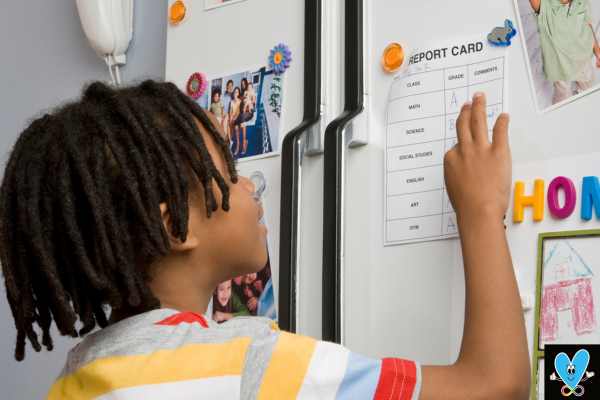
Most autism parents are not dealing with "bad behavior."
They're dealing with overwhelmed nervous systems, difficult transitions, communication overload, and children trying to make sense of a world that often feels unpredictable.
Many meltdowns begin long before the actual meltdown happens.
They often begin with uncertainty, sensory overload, rushed transitions, and feeling emotionally overwhelmed.
They often start with:
💙 uncertainty
💙 rushed transitions
💙 too many verbal instructions
💙 sudden changes
💙 sensory overload
💙 unclear expectations
That's why visual schedules can be life-changing for many autistic children.
But here's the part most people don't talk about:
A visual schedule alone is not magic.
Sometimes parents try visual supports... and nothing changes.
Not because visual schedules don't work.
But because a few very common mistakes accidentally make routines MORE overwhelming instead of calming.
Let's talk about them.
Mistake #1: Trying to Fix the Entire Day at Once
A lot of parents download visual schedules and immediately try to organize:
💙 mornings
💙 school
💙 meals
💙 therapy
💙 bedtime
💙 chores
💙 transitions
💙 behavior support
All at once.
That's overwhelming for everyone.
Especially autistic children who often need time to adjust to new systems gradually.
Many parents do not realize how exhausting constant unpredictability can feel for autistic children until visual routines start changing daily life.
What Works Better
Start with ONE stressful routine.
Usually:
💙 getting ready in the morning
💙 bedtime
💙 after-school transitions
💙 leaving the house
That's it.
Small wins create trust in the routine.
Once the child understands, "This helps me know what's happening," resistance often decreases.
Why Verbal Overload Increases Stress
Mistake #2: Using Too Many Words
This is one of the biggest hidden triggers for escalation.
When children are overwhelmed, language processing becomes harder.
But many parents accidentally increase verbal overload by repeating:
💙 "Come on."
💙 "Hurry up."
💙 "I already told you."
💙 "Why aren't you listening?"
💙 "Let's go."
💙 "Do this first."
💙 "No, not that."
Now the child is trying to: process language, regulate emotions, transition activities, manage sensory input, and follow directions all at the same time.
That's exhausting.

What Works Better
Use fewer words and more visuals.
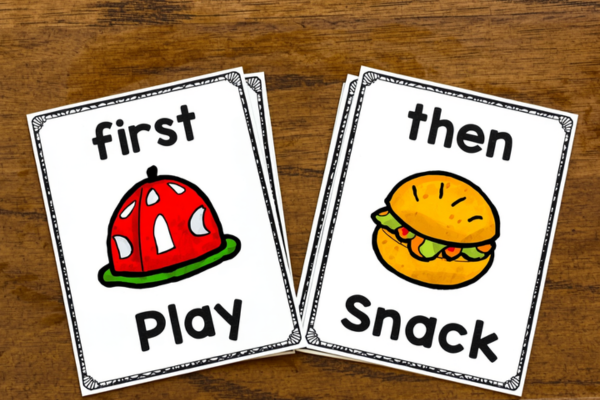
Instead of:"Please stop playing because we have to get dressed now or we'll be late."
Try: "First dress. Then play."
Short. Predictable. Visual.
Many autistic children process visual information more easily than spoken language.
Why Transitions Feel So Difficult
Mistake #3: Giving No Transition Warning
Imagine someone turning off your favorite movie with zero warning.
That's how transitions can feel for some autistic kids.
Sudden changes can trigger: anxiety, panic, frustration, and emotional dysregulation, especially if the child was deeply focused or emotionally attached to the activity.
What Works Better
Prepare transitions BEFORE they happen.
Examples:
💙 "5 more minutes."
💙 "Then bath."
💙 "Then bedtime."
💙 "First cleanup, then snack."
Visual transition cards can help children SEE the sequence before the change happens.
That predictability reduces stress significantly.
Mistake #4: Making the Schedule Too Complicated
Some schedules become visually overwhelming: too many steps, tiny images, cluttered layouts, too many colors, inconsistent organization.
Children may stop using them completely.
What Works Better
Keep schedules: visually clean, predictable, simple, and easy to scan.
Many autistic children respond best to low-clutter visual systems because they reduce cognitive overload.
Simple is powerful.
Mistake #5: Only Using the Schedule During Problems
This is a huge one.
If visual supports only appear when a child is struggling, they can become associated with stress or correction.
What Works Better
Use visual schedules consistently during calm moments too.
For example: morning routines, snack time, bedtime, favorite activities, weekend outings.
Visual systems work best when they become part of the child's predictable environment, not just a reaction to difficult behavior.
Mistake #6: Forgetting to Build in Flexibility
Some parents unintentionally create schedules that are TOO rigid.
But life changes. Appointments happen. Plans shift. Transitions take longer.
Children need support learning flexibility gradually.
What Works Better
Add simple visual supports like: "change", "wait", "break", "choice", "all done".
This helps children learn:"Changes can happen, and I am still safe."
That's an important emotional regulation skill.
Mistake #7: Expecting Immediate Perfection
This one matters most.
Visual schedules are tools. Not overnight miracles.
Some children adjust quickly. Others need: repetition, consistency, modeling, patience, time.
Progress may look like:
💙 one smoother transition
💙 fewer verbal reminders
💙 less anxiety
💙 one calmer morning
💙 fewer power struggles
That still counts. Small improvements matter. A lot.
What Actually Helps Visual Schedules Work
The most effective visual routines are usually: simple, predictable, calm, consistent, visually clear, and flexible enough for real life.
And most importantly: they help children feel SAFE.
Because when autistic children know what to expect, many experience less anxiety and more emotional regulation.
That changes the atmosphere of the entire home.
A Simple Place to Start
If creating visual supports from scratch feels overwhelming, printable visual routine systems can make it much easier to begin.
I have created the "No More Meltdowns" visual schedule bundle which includes:
💙 visual daily schedule boards
💙 morning routine cards
💙 after-school and evening cards
💙 First-Then boards
💙 transition support cards
💙 customizable routine pages
The goal is not perfection.
The goal is calmer, more predictable days that help autistic children feel supported instead of overwhelmed.
Calm Starts With Predictability
Final Thoughts
Autism parenting can feel exhausting when every transition turns into a struggle.
But often, children are not trying to "give a hard time."
They are HAVING a hard time.
Visual schedules help reduce uncertainty. And reducing uncertainty can reduce stress, anxiety, and emotional overload.
Sometimes one simple visual routine can completely change the tone of the day.
And honestly?
That kind of calm matters for parents too.

Built with purpose, powered by passion.
©Copyright 2026 Dr. Maydelis Gutierrez. All rights reserved.
Managed and Powered by GoldenMagna.com